
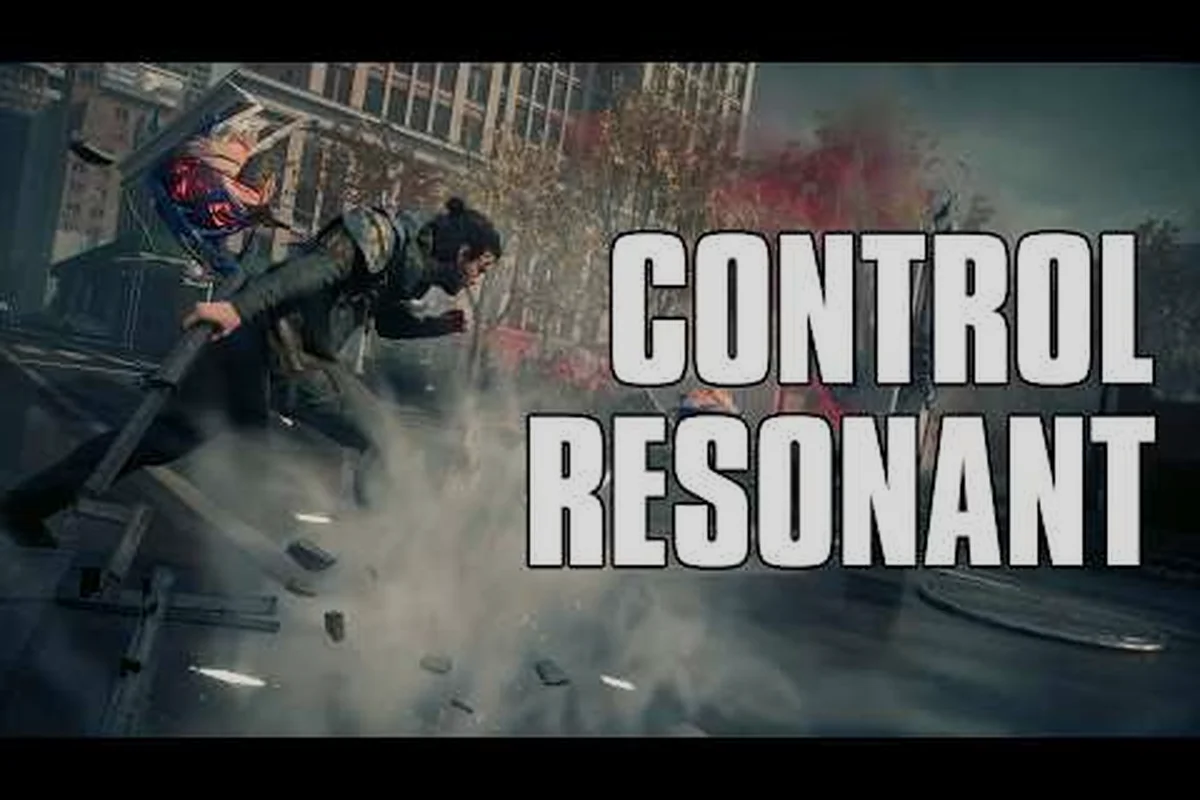
Starting a second run in CONTROL Resonant unlocks a deeper layer of Remedy's melee-focused RPG, where Dylan Faden's evolving combat style and the morphing Aberrant weapon feel entirely fresh once you understand the replay systems. Mastering the save architecture and checkpoint rhythm is the key to a smooth second playthrough, because the game's autosave logic behaves differently than most action titles. This guide breaks down exactly how New Game Plus works, where your progress is stored, and how to protect your save files across runs.
Understanding New Game Plus Mechanics
CONTROL Resonant's New Game Plus mode, available after completing the main story and watching the credits roll, lets you restart the West Incursion Zone with key elements of your previous run intact. According to the official CONTROL Resonant on Steam page, the game launches with a full-featured replay system designed to encourage multiple playthroughs with different build paths, because the Aberrant's morphing forms support three distinct combat routes: raw melee power, ability-driven agility, and environmental manipulation.
The carry-over system is not a simple "keep everything" transfer. Instead, Remedy designed a selective progression reset that preserves your weapon upgrades and ability unlocks while resetting story flags and side activity completion states. This means your fully upgraded Aberrant hammer form and dual-blade stance remain intact, but you must re-recruit NPCs and re-discover hidden rooms. The design choice pushes players toward experimenting with different Gravity Anomaly traversal paths, because the zones feel different when approached with late-game mobility tools from the start.
| Carry-Over Element | Status in NG+ | Notes |
|---|---|---|
| Aberrant weapon upgrades | Fully preserved | All morph forms and damage tiers carry over |
| Gravity Anomaly abilities | Fully preserved | Late-game traversal tools available immediately |
| Character level and stats | Fully preserved | Enemy scaling adjusts to match your level |
| Story progression flags | Reset | All main missions must be replayed |
| Side activity completion | Reset | Hidden rooms and optional bosses respawn |
| NPC relationship status | Reset | Dialogue trees and companion quests restart |
| Collectible logs and lore | Partially reset | Key story items reset, lore entries preserved |
The enemy scaling in New Game Plus deserves special attention because it uses a hybrid system that balances challenge without making early zones trivial. Enemies scale to within 3 levels of your character, ensuring that even the opening West Incursion Zone encounters remain dangerous despite your upgraded Aberrant. Community reports suggest that boss encounters gain additional attack patterns in NG+, particularly the Mold-infested variants that appear in previously cleared areas, which adds a layer of unpredictability to replay runs.
Selecting Your NG+ Build Path
Before committing to a New Game Plus run, you should lock in your build direction because the carry-over system preserves your current ability tree configuration. The three combat routes—raw melee power, ability-driven agility, and environmental manipulation—each benefit from different early-game strategies, and your NG+ experience shifts dramatically depending on which path you mastered in your first playthrough.
The raw melee power path emphasizes the Aberrant's hammer form, which deals massive single-target damage and staggers most enemies on charged hits. If you invested heavily in hammer upgrades during your first run, your NG+ start will feel incredibly powerful against early-game enemies, though the scaling system ensures that bosses remain challenging. The dual-blade form, conversely, favors the ability-driven agility path, where rapid strikes build combo meters that feed into your Gravity Anomaly abilities faster.
Players who focused on environmental manipulation will find NG+ particularly rewarding because the reset story flags mean you can approach early missions with fully upgraded traversal tools. The West Incursion Zone's verticality becomes a playground rather than a barrier, and many combat encounters can be bypassed or ambushed from angles that were inaccessible during your first run. Community testing confirms that gravity-based environmental kills count toward progression achievements in NG+, making this path efficient for trophy hunters.
Save File Architecture and Management
CONTROL Resonant uses a multi-slot save system that differs significantly from the single-save approach of the original CONTROL. The game maintains three separate autosave slots plus manual save support, which is critical for replay planning because you can preserve your completed game state while starting a fresh NG+ run without overwriting your original clear data.
The save file location varies by platform, but the architecture remains consistent: each save slot contains your character data, story progression flags, and world state information in a bundled package. On PC, saves are stored in the %USERPROFILE%\Documents\Remedy\ControlResonant\SaveGames\ directory, while console versions use platform-specific cloud storage with local backups. Understanding this structure is essential for managing multiple playthroughs, because the game's autosave logic can overwrite slots if you are not careful with manual save discipline.
| Platform | Save Location | Cloud Backup | Manual Save Slots |
|---|---|---|---|
| Windows PC | Documents\Remedy\ControlResonant\SaveGames\ | Steam Cloud | 10 slots |
| PlayStation 5 | System Storage → Saved Data | PS Plus Cloud | 10 slots |
| Xbox Series X|S | Manage Game → Saved Data | Xbox Cloud | 10 slots |
| macOS (2026) | ~/Library/Application Support/Remedy/ControlResonant/ | iCloud (TBD) | 10 slots |
The autosave system triggers at specific checkpoint points, which we will detail in the next section, but the key takeaway for replay planning is that manual saves are the only way to guarantee that your completed game state remains untouched. The game's autosave will overwrite the oldest autosave slot when all three are full, which means a completed game file can be lost if you rely solely on autosaves during a NG+ run. Always create a manual save after the credits roll and before starting New Game Plus.
Protecting Your Save Files Across Runs
The most common issue players encounter when starting a replay run is accidentally overwriting their completed game save, which locks them out of post-game content and forces a full replay to access endgame areas. The solution is straightforward but requires discipline: immediately after the credits finish and you regain control of Dylan, pause the game and create a manual save in slot 1. Label this save clearly if your platform supports naming, because this becomes your "master clear" file that preserves all post-game content access.
A second manual save should be created after you start New Game Plus and reach the first Gravity Anomaly tutorial. This save serves as a quick-start point for future replay runs, because the opening sequence of CONTROL Resonant is unskippable and takes approximately 12 minutes to complete. Having a save immediately after the tutorial zone lets you jump directly into the open West Incursion Zone with your NG+ build intact, which saves significant time if you plan multiple replay runs for different build paths.
Community data suggests that players who maintain three manual saves—one completed game, one NG+ start, and one active NG+ progress—rarely encounter save corruption issues. The game's autosave system is reliable but aggressive, and the manual save slots provide a safety net that prevents the frustration of lost progress. If you are trophy hunting, consider creating a separate save before each major boss encounter, because some trophies require specific combat conditions that are easier to retry from a nearby checkpoint.
Checkpoint Placement and Autosave Logic
The checkpoint system in CONTROL Resonant uses a hybrid approach that combines location-based triggers with event-based autosaves, which creates a rhythm that experienced players can leverage for efficient replay runs. Unlike the original CONTROL, which relied heavily on Control Point fast-travel hubs, Resonant's checkpoints are more frequent and tied to combat encounters, dialogue triggers, and zone transitions. Understanding this rhythm is the foundation of any effective replay strategy, because knowing exactly when the game saves allows you to plan risky exploration without losing significant progress.
The autosave icon appears in the bottom-right corner of the screen and lasts approximately 2 seconds, but the actual save process completes in under 500ms according to community testing. The game never saves during active combat, which means that clearing a room of enemies is the primary trigger for an autosave event. Dialogue choices also trigger saves, particularly during NPC relationship conversations, which makes the control resonant main story walkthrough an essential companion resource for identifying key dialogue save points.
| Checkpoint Type | Trigger Condition | Frequency | Safe to Quit? |
|---|---|---|---|
| Combat Clear | All enemies in area defeated | After every combat encounter | Yes |
| Zone Transition | Entering a new named area | 8-12 per main zone | Yes |
| Dialogue Save | Completing a conversation tree | Varies by NPC | Yes |
| Boss Checkpoint | Before boss arena entrance | Once per boss | Yes, but restart at entrance |
| Manual Save | Player-initiated from pause menu | Unlimited | Yes |
| Autosave Rotation | Oldest slot overwritten when full | Every 3 autosaves | No, oldest lost |
The checkpoint rhythm becomes predictable once you recognize the pattern: combat encounter → clear notification → autosave → short traversal section → next encounter. This loop repeats throughout the West Incursion Zone and its sub-areas, with zone transitions adding an extra save layer at boundary points. Players who master this rhythm can optimize their replay runs by timing risky exploration immediately after an autosave, because the potential loss window is minimized to the current combat encounter only.
Exploiting Checkpoint Timing for Efficient Replays
Speed-focused replay runs benefit enormously from checkpoint awareness, because the autosave trigger conditions can be manipulated to create custom save points at critical junctions. The most reliable method involves triggering a combat clear save, then immediately backtracking to a zone transition point to create a double-save buffer. This technique is particularly useful before Gravity Anomaly traversal sections, where a missed jump can send you back to the previous checkpoint and cost several minutes of progress.
The West Incursion Zone contains 12 zone transition points that trigger autosaves, and memorizing these locations is one of the highest-value optimizations for replay efficiency. Each transition save is paired with a combat clear save approximately 30 seconds later, which means you effectively have two save points within a minute of gameplay. If you are attempting a no-death run or speedrun achievement, this double-save rhythm provides a safety net that reduces the penalty for mistakes without requiring manual save management.
Community speedrunners have identified that the Mold-infested areas contain fewer autosave triggers than standard zones, which makes them higher-risk traversal sections. The game's design intentionally reduces checkpoint frequency in these areas to increase tension, but replay runners can compensate by triggering manual saves before entering Mold zones. The pause menu allows manual saves at any point outside of combat, and using this feature strategically before high-risk sections is a best practice that veteran players recommend for all replay runs.
Side Activity Completion and Replay Strategy
CONTROL Resonant's side activities are not simply optional content—they are integrated into the progression system in ways that affect your NG+ experience, because many hidden rooms contain upgrade materials that carry over between runs. The game features three categories of side content: hidden rooms with collectible lore and upgrade components, NPC relationship quests that unlock alternative dialogue paths, and combat challenges that reward rare Aberrant morph materials. Understanding which activities to prioritize during your first run versus your replay run is essential for efficient progression.
The side activity completion status resets in New Game Plus, but the rewards you earned in your first playthrough remain in your inventory. This creates an interesting dynamic where replay runs can double-dip on limited upgrade materials, which is the primary motivation for completing side content in both runs. The Aberrant upgrade system requires rare components that are scattered across hidden rooms throughout the West Incursion Zone, and replaying these rooms in NG+ effectively doubles your material income for endgame upgrades.
| Side Activity Type | Reset in NG+ | Rewards Carry Over | Priority for Replay |
|---|---|---|---|
| Hidden Rooms | Yes | Yes | High — materials double-dip |
| NPC Quests | Yes | Relationship status resets | Medium — dialogue options reset |
| Combat Challenges | Yes | Yes | High — rare morph materials |
| Lore Collectibles | Partially | Lore entries preserved | Low — story completion only |
| Gravity Anomaly Shrines | Yes | Yes | High — traversal upgrades |
The control resonant hidden rooms guide provides a comprehensive map of all discoverable locations, which is particularly valuable for replay planning because NG+ allows you to access rooms that were gated behind late-game abilities during your first run. The West Incursion Zone's vertical design means that many hidden rooms are only reachable with fully upgraded Gravity Anomaly traversal tools, and replaying these rooms with your abilities intact reveals content that was literally inaccessible during your initial playthrough.
Optimizing Side Activity Routes for NG+
Route optimization for side activities becomes a puzzle in itself during New Game Plus, because the reset completion flags mean you can plan efficient loops that minimize backtracking. The West Incursion Zone's zone transition autosaves create natural break points for activity routes, and experienced players recommend grouping activities by zone rather than by type. This approach reduces traversal time and allows you to complete 3-5 side activities per zone before moving to the next area.
The Mold-infested zones contain some of the highest-value hidden rooms, but they also feature reduced checkpoint frequency, which makes route planning critical. A recommended approach is to clear all standard zone activities first, trigger the zone transition autosave, then enter the Mold zone with a full manual save as backup. This strategy ensures that any deaths in the Mold zone only cost you the Mold-specific progress, while your standard zone completion remains protected by the previous autosave.
Community data suggests that a full side activity clear in NG+ takes approximately 4-6 hours, compared to 8-10 hours in a first playthrough, because your upgraded Aberrant and traversal abilities eliminate backtracking and combat downtime. The time savings compound if you follow a zone-grouped route rather than an activity-type route, because the West Incursion Zone's layout naturally clusters hidden rooms and combat challenges within each named area.
Advanced Replay Strategies and Build Experimentation
The true depth of CONTROL Resonant's replay value emerges when you start experimenting with build combinations that were impossible during your first playthrough, because the NG+ carry-over system preserves your ability tree while resetting enemy encounters. This creates a laboratory environment where you can test endgame builds against early-game enemies, which reveals synergies and combat interactions that are obscured when facing scaled opponents. The Aberrant's morphing forms interact differently with low-health enemies, and many combat techniques that feel underwhelming in the late game become devastating when applied to early-game encounters.
The three combat routes—raw melee power, ability-driven agility, and environmental manipulation—can be hybridized in NG+ because your accumulated skill points allow deeper investment across multiple trees. A hybrid build that combines the hammer form's stagger potential with the dual-blade form's combo generation creates a combat flow that is impossible to achieve in a single playthrough, because the point investment required exceeds what is available before the final boss. NG+ removes this limitation, and the resulting combat experimentation is where the replay system truly shines.
| Build Hybrid | Primary Form | Secondary Focus | Best For |
|---|---|---|---|
| Stagger-Combo | Hammer | Dual-blade combo gen | Boss speedruns |
| Mobility-Damage | Dual-blade | Gravity Anomaly | Exploration speed |
| Environment-DPS | Hammer | Environmental kills | Trophy hunting |
| Full Hybrid | Alternating | All three trees | General NG+ enjoyment |
The control resonant secrets guide details several endgame encounters that are only accessible with specific build combinations, and NG+ is the ideal environment to pursue these challenges because your accumulated abilities reduce the punishment for experimentation. The Mold-infested secret boss, which requires precise timing between hammer staggers and environmental hazards, becomes significantly more approachable when you can retry from a nearby manual save rather than replaying the entire zone.
Trophy and Achievement Hunting in NG+
New Game Plus is the optimal environment for cleanup trophy hunting because the reset side activities and respawned bosses allow you to target specific achievements without replaying the entire game. The control resonant trophy guide provides a comprehensive checklist, but the key insight for replay planning is that many trophies require specific combat conditions that are easier to engineer when you have full control over your build and encounter selection.
The most efficient approach for trophy hunting in NG+ is to identify the trophies that require specific boss kill conditions, create a manual save before each boss encounter, and retry until the conditions are met. This strategy is only viable in NG+ because your upgraded Aberrant and abilities allow you to control the combat pacing precisely, whereas a first-playthrough character may lack the damage output or survivability to manipulate boss behavior reliably.
Community reports indicate that the Gravity Anomaly traversal trophies are significantly easier in NG+ because your fully upgraded traversal abilities allow you to reach locations that are intended for late-game exploration. The West Incursion Zone's vertical design hides several trophy-related locations behind traversal gates, and replaying these sections with your full mobility kit transforms frustrating platforming sequences into straightforward traversal puzzles.
Frequently Asked Questions
Does CONTROL Resonant have a New Game Plus mode?
Yes, CONTROL Resonant includes a full New Game Plus mode that unlocks after completing the main story and watching the credits. The mode carries over your Aberrant weapon upgrades, character level, and Gravity Anomaly abilities while resetting story progression flags and side activity completion status. Enemy scaling adjusts to match your level, and bosses gain additional attack patterns in NG+.
How do I protect my save files when starting NG+?
Create a manual save immediately after the credits roll and before starting New Game Plus, because the autosave system can overwrite your completed game state. Store this save in a separate manual slot and label it clearly. Additionally, create a second manual save after the NG+ tutorial zone to serve as a quick-start point for future replay runs.
Where are CONTROL Resonant save files located on PC?
On Windows PC, save files are stored in the Documents\Remedy\ControlResonant\SaveGames\ directory. The game uses Steam Cloud for backup synchronization, but manual backups are recommended before starting New Game Plus. Console versions use platform-specific cloud storage with local backup options available through system settings.
Do side activities reset in New Game Plus?
Yes, all side activity completion flags reset in NG+, including hidden rooms, NPC relationship quests, and combat challenges. However, the rewards you earned during your first playthrough remain in your inventory, which allows you to double-dip on limited upgrade materials by recompleting side activities in NG+. This is the primary motivation for replaying side content.
Can I change my build path in New Game Plus?
No, your ability tree configuration carries over exactly from your first playthrough, but NG+ grants additional skill points. This lets you invest in hybrid builds combining raw melee power, ability-driven agility, and environmental manipulation—impossible in a single run due to point limits.