
Weapons
CONTROL Resonant weapons — The Aberrant living melee weapon, every confirmed form from hammer to twin blades, upgrades, combos and progression.
Introduction
The Weapons hub covers the arsenal of CONTROL Resonant — and in this game that is almost entirely the Aberrant, Dylan's living, shapeshifting melee weapon. Replacing the Service Weapon from the first game, the Aberrant is a crude but devastating creature-weapon that morphs mid-fight between a two-handed hammer and dual-wielded blades to answer enemy patterns as they shift. This hub explains every confirmed weapon form, how the Aberrant evolves through the deep progression system, upgrade materials, combo directions and tips for weapon switching. It also covers the artifacts and Objects of Power that modify your gear, plus known differences between the three playstyle paths. Because Remedy has not published the full weapon tree, we clearly label confirmed forms and predicted evolution paths.
Aberrant Weapon Form Reference
| Form | Style | Strengths |
|---|---|---|
| Aberrant (Core) | Living melee weapon | Morphs on demand; the foundation of all combat |
| Hammer Form | Two-handed heavy | Powerful crushing blows and crowd-breaking swings |
| Dual Blades | Fast paired weapons | Speed, flow and sustained aggressive pressure |
| Evolved Forms | Progression-dependent | Deep system lets the Aberrant grow toward a playstyle |
Weapon Form Guides
The Aberrant (Core)
The living weapon at the center of everything — how it behaves, why it morphs and how mastering its core rhythm unlocks both the hammer and the twin blades.
Hammer Form
The two-handed crushing form — powerful blows that break crowds and stagger armored enemies, ideal when you are outnumbered or facing slow heavy targets. The hammer also offers strong stagger against armored enemies, so it is the reliable answer when a crowd of Hiss thralls or a Mold-cluster guard needs to be broken open.
Dual Blades
The fast paired form — quick strikes, flowing combos and relentless pressure, best for duels, evasive enemies and building element burst windows. The blades also make it easy to weave in elemental bursts between combo strings, which turns the fast form into a sustained damage engine once you learn the rhythm.
Artifacts & Objects of Power
How gear modifies the Aberrant — artifacts from pre-order bonuses and Objects of Power that affect damage, mobility and survivability across forms. The evolution is expected to branch toward the three playstyle directions, so a weapon built for raw melee will feel different from one tuned for environmental synergy.
Core Mechanics
The Aberrant is both a weapon and a creature: it is described as a living thing that splits, extends and morphs on demand, forming the visual and mechanical core of CONTROL Resonant combat. In its heavy form it becomes a two-handed hammer built for crushing blows against crowds and armored enemies, while in its fast form it splits into dual-wielded blades for speed and sustained chains. The deep progression system lets you push the Aberrant toward raw melee power, speed, or a hybrid style, and Remedy's tagline — the fight shifts, your weapon shifts with it — points to form-switching as a central combat read. Upgrades are expected to come through progression choices and materials tied to zones and encounters, though the exact upgrade tree is not yet confirmed.
Advantages
A dedicated weapons hub lets you plan your combat identity before you spend a single upgrade point. Instead of treating the Aberrant as a one-trick weapon, you can learn which form fits which scenario — heavy hammer for crowd control and armored enemies, twin blades for speed and duels — and how the progression system rewards specialization. The hub also explains the artifacts and Objects of Power that modify effective damage and mobility, so you understand how gear interacts with weapon forms. For players who loved the Service Weapon in CONTROL, the hub explains how the melee identity differs and why the Aberrant changes the rhythm of combat.
Challenges
The clearest challenge is that the exact weapon mechanics are still pre-release: Remedy has confirmed the Aberrant concept, the hammer form, the twin blades form and morph-on-demand, but has not published the full upgrade web, material economy or specific combos. Writers cannot invent skill names or damage numbers, and previews have deliberately vague combat details. This makes the hub a planning resource rather than a definitive manual until launch. After release, balance patches will also change weapon effectiveness, so tier-style advice will need to be revisited as the meta evolves. After launch the full form list and upgrade tree must be documented, balance changes will affect which forms feel powerful, and early form advice must be revisited as players test real combo data and share their findings.
Frequently Asked Questions
How does the Aberrant work?+
What weapon forms are confirmed?+
Is the Aberrant better than the Service Weapon?+
Quick Tips
Treat form choice as a combat read, not a static build: keep the hammer in mind for crowds and armored enemies, switch to blades when you need speed and pressure, and practice morphing mid-combo so the switch itself becomes part of your rhythm. Remedy's tagline — the fight shifts, your weapon shifts with it — tells you that flexibility is the point. Warm up each form on early enemies before the difficulty ramps.
Commit to one evolution direction in the deep progression system first: raw melee power rewards heavy hammer investment, speed rewards twin blades, and environmental manipulation leans on abilities that complement either form. Spreading points too thin in early hours weakens your core identity. You can hybridize later, but start focused so your combos land with real impact when zones get harder.
Keep a backup plan for each form: the hammer is your crowd answer but it is slow, so having the blades ready for fast enemies and duels means you never get caught without the right tool. Practise the switch action in calm fights until morphing is automatic, because hesitation mid-combo is often what turns a winning trade into a lost one. Forms are tools, not identities, and the game rewards players who read the fight and adapt quickly.
Featured

CONTROL Resonant Hammer Form: Heavy Slam Combo Guide
Shatter Hiss with the control resonant hammer form, a two-handed weapon that morphs into dual blades. Master slam combos and stance-swap tactics.
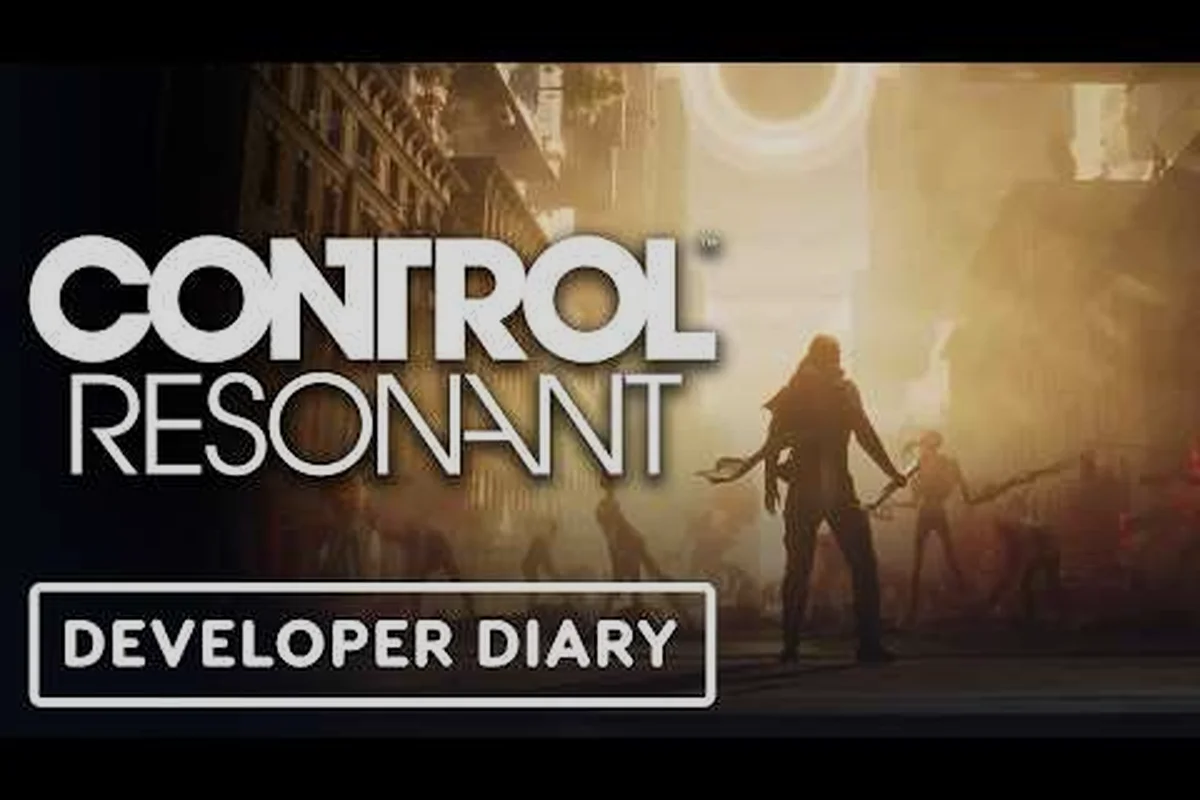
CONTROL Resonant How to Unlock Weapons & Artifacts
Unlock 6 weapon forms and 12 artifacts in CONTROL Resonant—here's how. Master this control resonant how to unlock weapons guide to evolve The Aberrant fast.

CONTROL Resonant Weapon Damage: Heavy Weapons & Evolution
Master heavy weapon DPS with this control resonant weapon damage guide. Compare forms, track evolution, and swap at the right time for peak output.
All Articles

CONTROL Resonant Weapon Forms Explained: Morph Types
Understand every morph in the CONTROL Resonant weapon forms explained guide, from the hammer's crushing blows to the blade's speed, and master weapon swaps.

CONTROL Resonant Weapon Guide: Aberrant Forms & Stats
Master every morphing form with this control resonant weapon guide covering Aberrant damage stats, combat roles, and unlock timing before September 24.
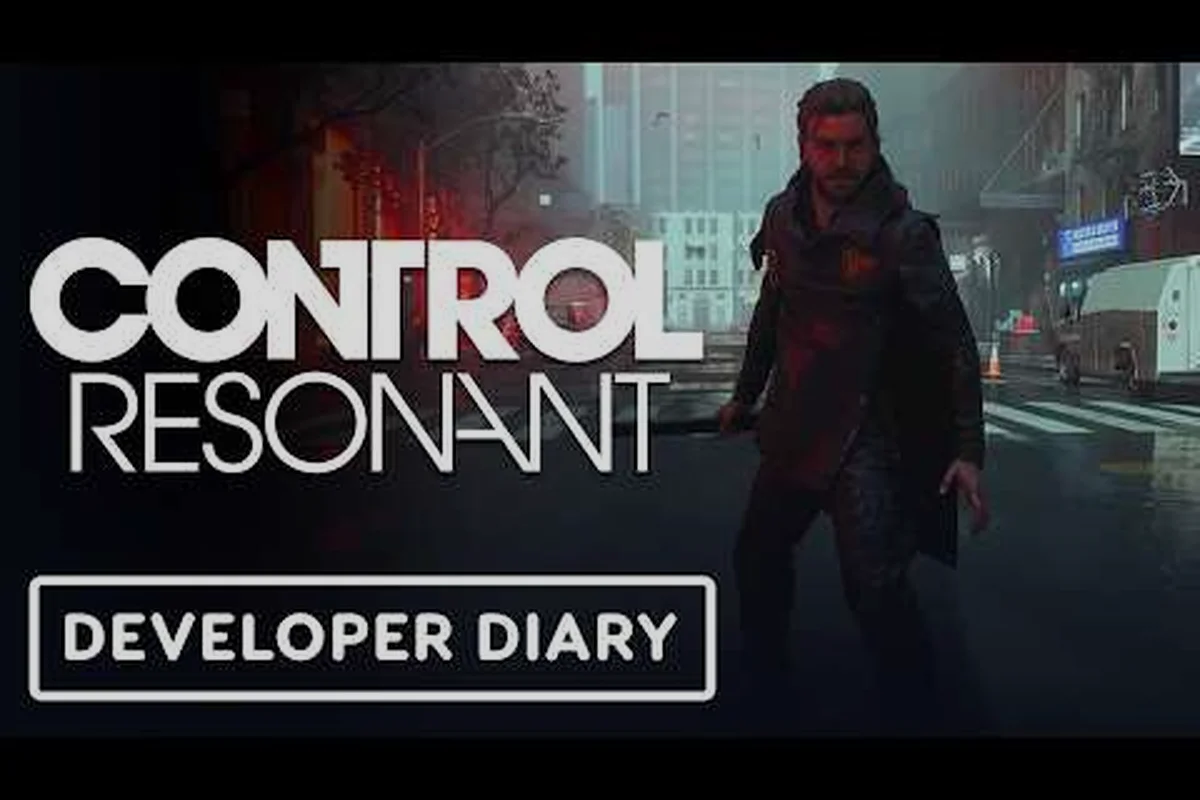
CONTROL Resonant Weapon Upgrade Guide: Best Tier List 2026
Maximize The Aberrant with this control resonant weapon upgrade guide. Compare upgrade paths, rare materials, and the best weapon forms in our 2026 tier list.
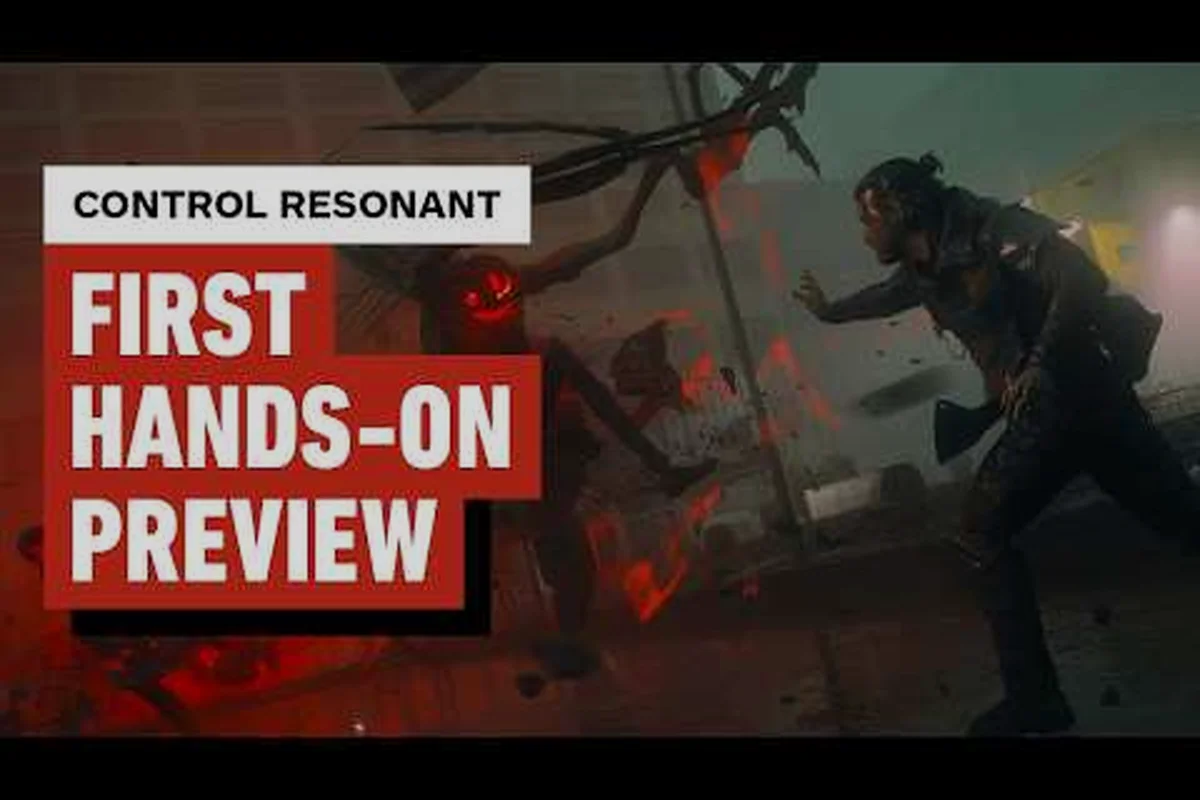
CONTROL Resonant Melee Weapon Guide: Combos & Trailers
Master hammer slams, blade flurries, and dual wield combos in this control resonant melee weapon guide. Frame-by-frame trailer breakdowns for every encounter.